Homeopathic Treatment

01
Homeopathic care consultation
Step 01

What is Homeopathy

Homeopathy is a system of medicine originated in Germany in 1794, which is based on the principle of The Law of Similars.

In a way, it is an advanced form of vaccination; whereby a substance which is capable of producing a disease like state is administered to the patient, but in a very minute dose, to cure the similar disease.

Homeopathy works much beyond vaccination, though. Here, the dose administered is unbelievably minuscule, which is still very powerful yet absolutely harmless.

  • Safer, deeper acting, and often longer lasting than conventional symptom-focused care.
  • Works by energizing the body's curative powers.
  • A young and growing medicine calling for more research and promotion.
02
Holistic wellness treatment
Step 02

How does it work

There are theories on how exactly homeopathic medicine works. In practice, it is believed to work by stimulating the body's own healing mechanisms.

  • In infectious diseases, it may stimulate production of antibodies, defense blood cells, and related immune responses.
  • In immune diseases, it may help correct underlying immune mechanisms.
  • In painful conditions, it may activate the body's anti-pain mechanisms.

Similarly, its action may be antispasmodic, anti-allergic, immuno-modulatory, anti-inflammatory, hormone stimulatory, anti-carcinogenic, and more.

Large scale studies alone will allow full exploration of this young science. Homeopathy is future medicine subject to profound research.

03
Natural healthcare support
Step 03

What can it do

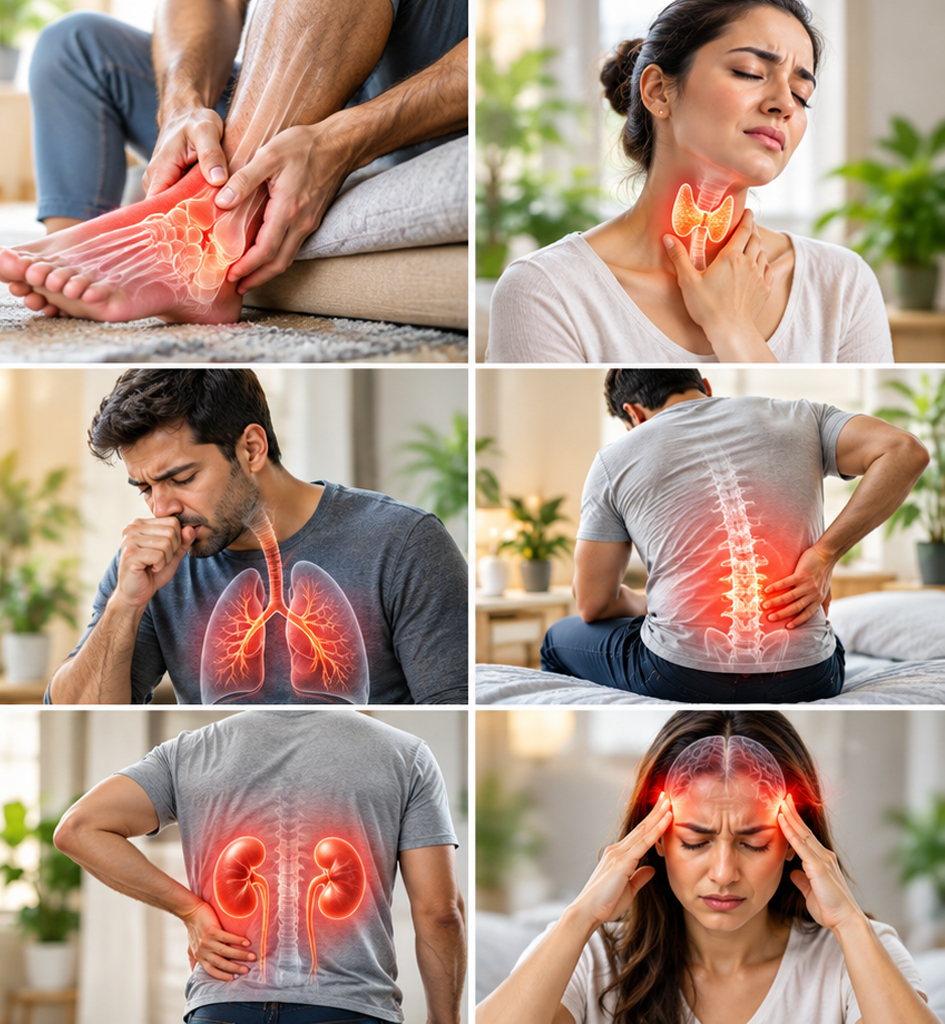
Homeopathy boasts tremendous powers as a system of medicine, especially in chronic, long-standing, and recurring diseases.

It may offer life-changing support in conditions such as Allergies, bronchitis, Crohn's disease, Psoriasis, Rheumatism, Sinusitis, Trigeminal Neuralgia, Ulcerative Colitis, Vitiligo, and more.

  • In allergic diseases like Asthma and urticaria, it may enhance the body's immune mechanism so abnormal reactions reduce.
  • In ulcerative diseases, it may support ulcer healing mechanisms.
  • In chronic infections, such as Hepatitis C, it may reduce the count and activities of the virus.

This goes true for most chronic diseases.